
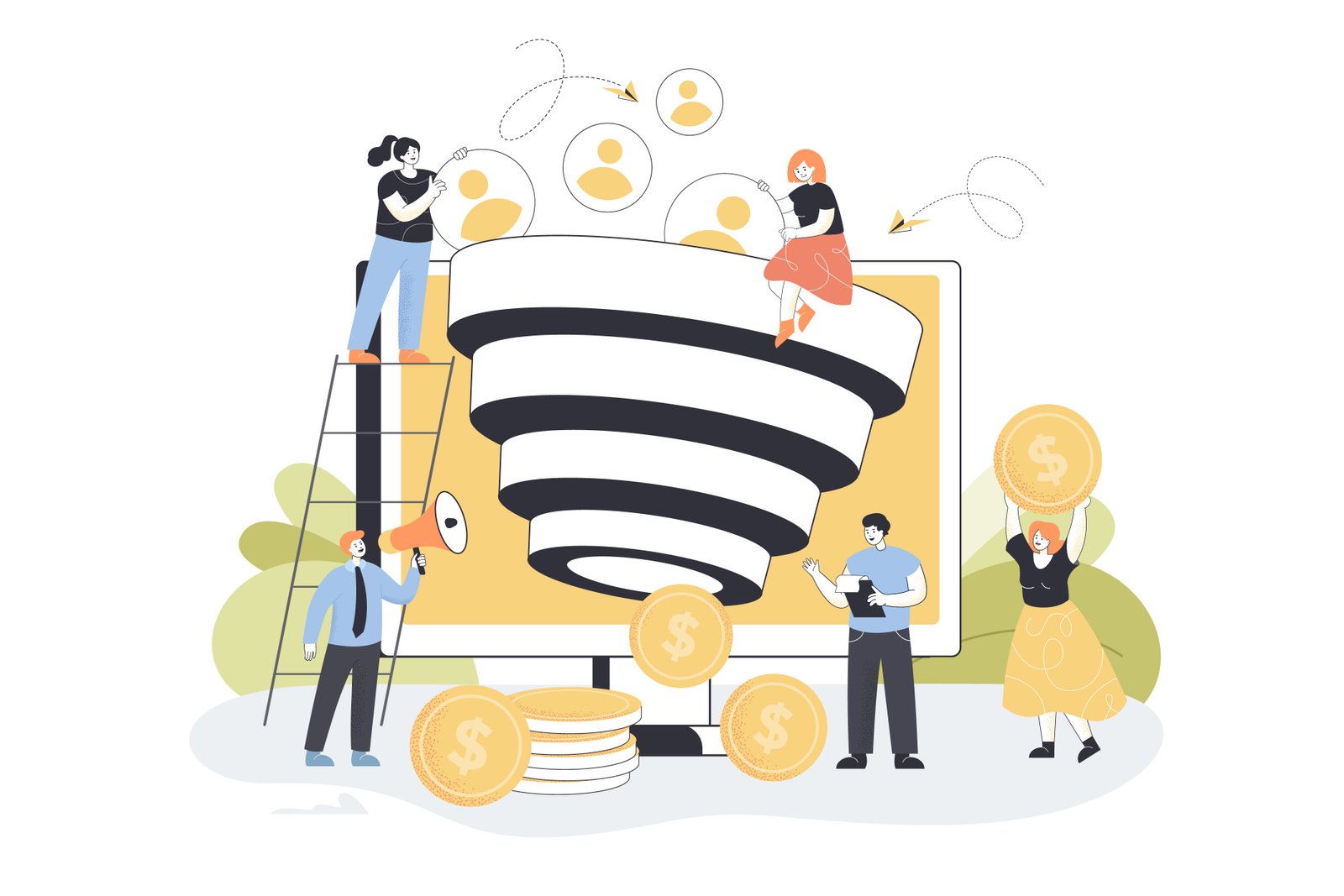
How to Build a Powerful Digital Marketing Funnel
In today’s competitive digital landscape, attracting customers is not enough—you need a system that converts them into paying clients. This is where a digital marketing funnel plays a crucial role.
A digital marketing funnel is a step-by-step journey that guides potential customers from discovering your business to making a purchase. Without a proper funnel, businesses lose leads, waste marketing budgets, and miss growth opportunities.
In 2026, businesses that build strong marketing funnels will dominate the market by converting traffic into consistent revenue. This guide will help you understand how to create a powerful digital marketing funnel that drives results.
What is a Digital Marketing Funnel?
A digital marketing funnel is a structured process that moves users through different stages of the buying journey.
The funnel typically includes:
- Awareness (people discover your business)
- Interest (they engage with your content)
- Consideration (they evaluate your offer)
- Conversion (they become customers)
- Retention (they return and refer others)
Each stage plays a critical role in turning visitors into loyal customers.
Why a Marketing Funnel is Important for Businesses
Without a funnel, your marketing efforts remain unstructured and ineffective.
Key Benefits:
- Converts website visitors into leads
- Improves customer journey
- Increases conversion rates
- Reduces marketing costs
- Creates predictable revenue
A well-designed funnel ensures that no potential customer is lost.
Stages of a Powerful Digital Marketing Funnel
Understanding each stage of the funnel is essential for building a successful strategy.
1. Awareness Stage (Top of Funnel)
This is where people first discover your business.
Goal: Attract attention
Strategies:
- SEO blogs
- Social media content
- Paid ads
- YouTube videos
At this stage, focus on providing value and educating your audience.
2. Interest Stage
Users start engaging with your content and show interest in your business.
Goal: Build trust
Strategies:
- Informative blogs
- Lead magnets (ebooks, checklists)
- Email subscriptions
3. Consideration Stage
Users evaluate your services and compare options.
Goal: Convince users
Strategies:
- Case studies
- Testimonials
- Product/service pages
- Demo or consultation
4. Conversion Stage
This is where the user becomes a customer.
Goal: Close the sale
Strategies:
- Strong CTA
- Limited-time offers
- Easy checkout process
5. Retention & Loyalty Stage
After purchase, focus on building long-term relationships.
Goal: Repeat business
Strategies:
- Email marketing
- Follow-ups
- Loyalty programs
- Customer support
How to Build a Powerful Digital Marketing Funnel
Follow these steps to create an effective funnel:
Define Your Target Audience
Understand your customer’s needs, behavior, and pain points.
Create High-Quality Content
Content is the foundation of your funnel. Use blogs, videos, and social media to attract users.
Use Lead Generation Tools
Capture leads through:
- Landing pages
- Forms
- Free resources
Implement Email Marketing
Nurture leads by sending valuable content and offers.
Optimize Conversion Points
Ensure your website is user-friendly with clear CTAs.
Track and Improve Performance
Use analytics tools to monitor funnel performance and improve results.
Best Strategies to Improve Your Funnel
Personalization
Customize content based on user behavior.
Retargeting Ads
Reconnect with users who didn’t convert.
Automation
Use marketing automation tools to streamline processes.
A/B Testing
Test different versions of ads, pages, and emails.
Benefits of a Strong Digital Marketing Funnel
- Higher conversion rates
- Better customer experience
- Increased revenue
- Improved lead quality
- Scalable business growth
A strong funnel ensures consistent and predictable business growth.
Challenges Businesses Face
Lack of Strategy
Many businesses don’t have a clear funnel structure.
Poor Lead Nurturing
Leads are lost due to lack of follow-up.
Low Conversion Rates
Weak CTAs and poor design reduce conversions.
Future of Digital Marketing Funnels in 2026
Marketing funnels are evolving with technology.
Key Trends:
- AI-driven personalization
- Automated funnels
- Voice and chat-based interactions
- Data-driven decision making
Businesses that adopt these trends will gain a competitive advantage.
A powerful digital marketing funnel is essential for converting visitors into customers and driving business growth. By understanding each stage of the funnel and implementing the right strategies, businesses can create a seamless customer journey that leads to higher conversions and long-term success.
In 2026, companies that invest in structured marketing funnels will outperform competitors and achieve sustainable growth.


- Retail Ecommerce
- Trading
- Business Consulting
- IT
- Digital Marketing